- The New Wine Review
- Posts
- The New Wine Review Weekly: May 5, 2024 (copy 01)
The New Wine Review Weekly: May 5, 2024 (copy 01)
🍷 The “fourth wine,” our Piedmont Nebbiolo guide, and decoding old whiskey

MAKE WAY FOR “THE FOURTH WINE”
Along the right bank of the Rhône river lies Tavel, a charming village that sticks in the mind of many a wine student for its unusual distinction: it only produces rosé.
According to Fintan Kerr:
“The main distinction of Tavel rosé is its deep color and substantial presence on the palate. It’s often said that Tavel is the fourth wine—sitting somewhere in between rosé and red. Given that it shares a similar medley of grape varieties as neighboring Châteauneuf-du-Pape, and the same warm, Mediterranean climate, it’s no wonder that the wines here are something of a mouthful.”
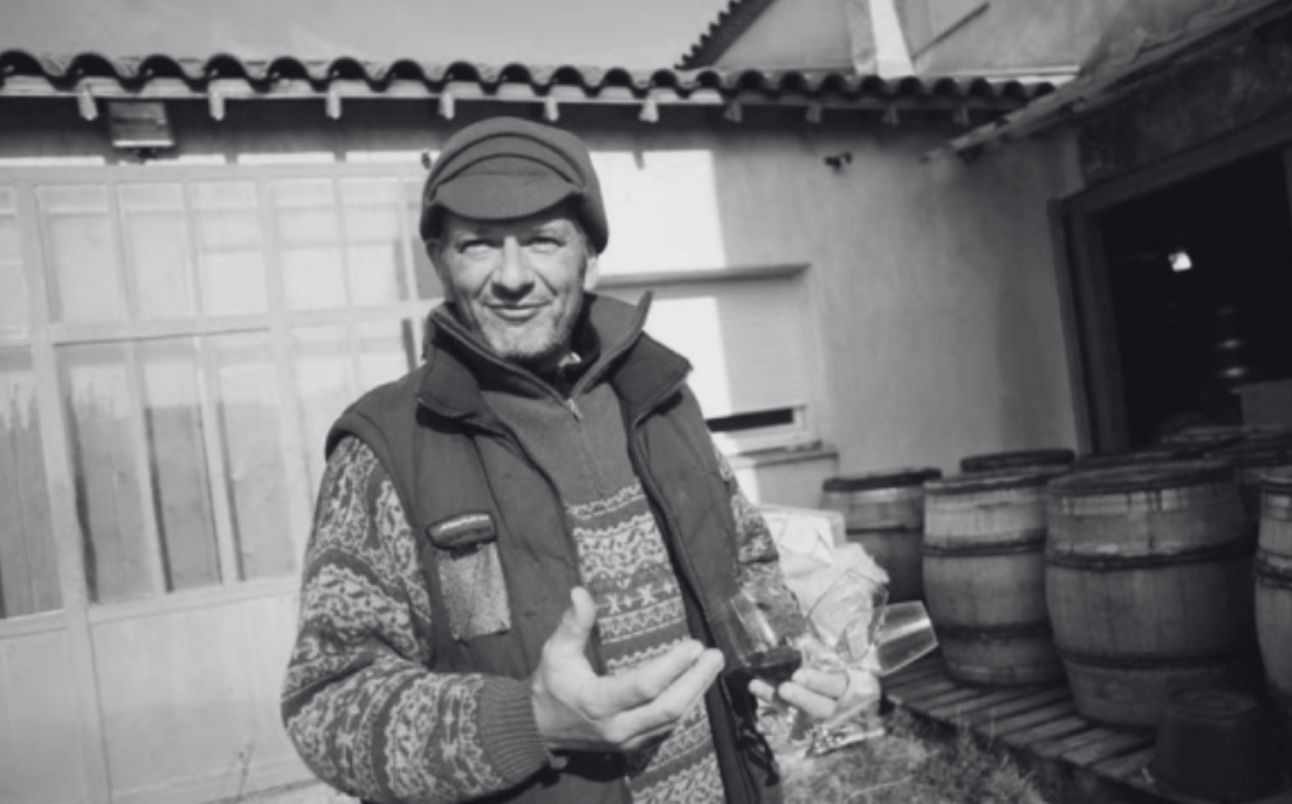
The rosé revolution of the last decade has seen serious rosé begin to win the kind of respect previously accorded only to the best red and white wines of the world. That (and a regional revival sparked by a once-obscure local beekeeper, who’s now better known as Tavel superstar Eric Pfifferling) has put Tavel’s once nearly-anonymous wines on the map. Kerr weighs in with the bottles you should find to broaden your understanding of what’s possible in a rosé.
PRO TIPS ON PICKING YOUR WAY THROUGH PIEDMONT’S NEWEST VINTAGES
Christy Canterbury MW visited Piedmont early in the year to sample many of the new Nebbiolos hitting the market.
Her verdict: there’s quite a bit to like about the region’s newly released vintages, which span from 2018 to 2021. This is especially true of the wines released from 2019, ‘20 and ‘21, which:
“offer straightforward deliciousness and unusually early accessibility. While the very best wines will easily age up to 30 years and possibly longer, even the second-tier wines should evolve to benefit for 10 to 15 years or more . . . You pretty much cannot go wrong with Barolo, Barbaresco, and Roero Riserva from this historic trifecta.”
In her expert guide to understanding the raft of new Piedmont releases, Christy offers specific highlights, producers you should know and, as always, lots of insider information.
HOW OLD IS THAT WHISKEY—REALLY?
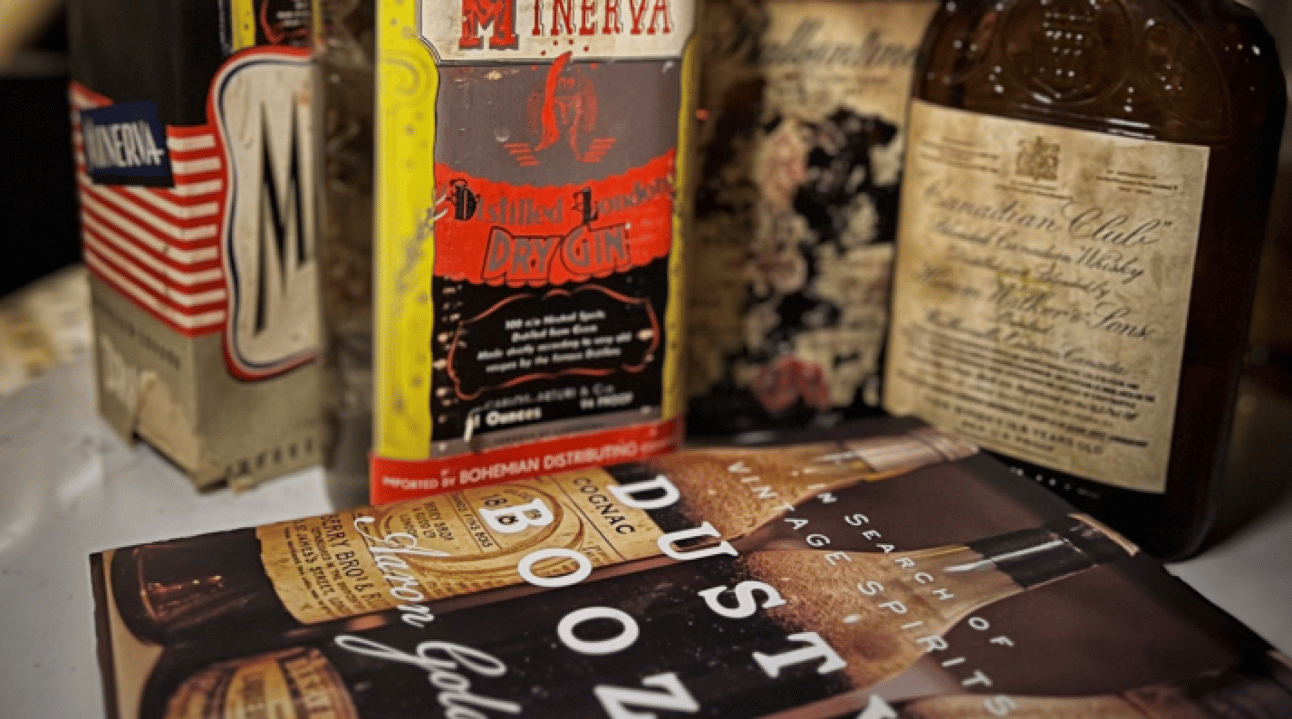
Renowned spirits journalist Aaron Goldfarb’s new book, Dusty Booze, dives deep into the world of vintage bottles and those who pursue them (sometimes maniacally).
Along the way, he offers long-sought explanations and delightful historical anecdotes about old whiskey. Among them: distilleries once produced gallon-sized bottles of whiskey “so large and unwieldy many came packaged with a wooden ‘swing,’ allowing one to pour a bottle without actually having to lift it.”.
But he’s also got plenty of advice should you find an old rarity, and want to understand what you’ve actually got your hands on:
“If some booze has that oh-so-scary government warning on it—‘According to the Surgeon General . . .’—it was bottled after 1989. But if it lists just the proof (and no ABV percentage), it’s probably older than 1990.”
“By scrutinizing a vintage bottle’s barcode, specifically the first five digits, you can often tell who bottled a given whiskey, something critical with bourbon brands so often changing hands while labels so often remain mostly looking the same.”
“Look for the DSP number, which is almost always on bottles of bonded whiskey. Standing for ‘distilled spirits plant,’ the code tells you where a particular bottle was distilled. Stitzel-Weller, for instance, was DSP-KY-16, meaning if you discover a bottle with that code on it, you’re in for a treat.”
Read on for many other tips—including how to get ahold of the bourbon historian who will solve your most vexing dusty whiskey puzzles.
WHAT YOU’RE MISSING IN OUR SUBSCRIBERS-ONLY SLACK COMMUNITY
Our editor-in-chief weighs in on his most recent, and arguably decadent, white Burgundy and old California Cab tastings
“Guilty pleasure” wine picks
Reader run-ins with great Italian winemakers
Reader recs on Gaja bottles, California Gewurztraminer, and Moroccan Syrah
Piedmont travel recs from a reader studying for the upcoming Master of Wine exam(Click here to get full access!)
WINE DEAL OF THE WEEK*
We are pretty obsessed with Tegan Passalacqua’s Sandlands project, in which the star winemaker turns his obsession with California’s very old, own-rooted vineyards into truly remarkable wines. His Contra Costa version of Sandlands’s Red Table Wine, a blend of Carignan and Mataro from century-old vines, punches far above what its intentionally humble name may lead you to expect. Grab it here for $35.
*NWR is not compensated for the links in this section.
AROUND THE WINE (AND WHISKEY) WORLD
🫗 To decant or not to decant? (And a bonus NWR tip: When in doubt, decant.)
👀 The locals in Napa and Sonoma are getting pretty excited about the 2023 vintage.
😥 “Everything is partially destroyed.” Chablis is getting crushed this spring.
🌩️ Meanwhile, much of Europe had its worst growing season in 62 years.
⭐ Bay Area readers take note: The Saison and Angler team is opening a wine bar.
As always, thanks for reading! See you next week for much more.
Santé!
The NWR Editors
To ensure you continue getting our emails:
Drag and drop this email to your “primary” tab in Gmail (if it's not already there)
Add this email ([email protected]) to your contacts or address book



Copyright (C)
Want to change how you receive these emails? You can unsubscribe
Click here to sign up for yourself if this was forwarded to you by a friend